
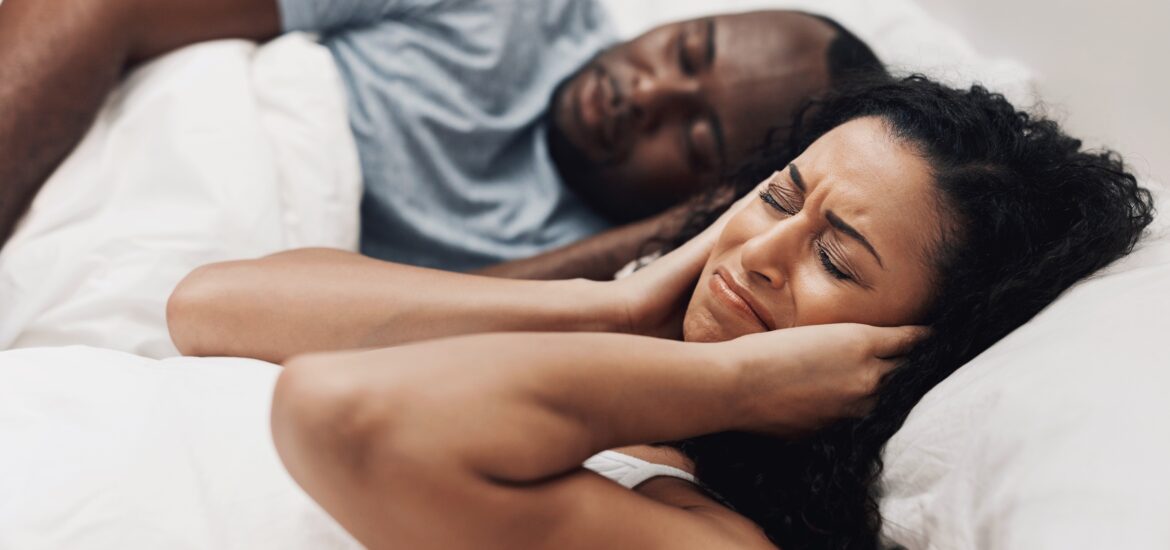
That nightly rumble might seem like a harmless habit, but persistent, loud snoring can sometimes be a sign of a more significant health issue: sleep apnea. While not every snorer has sleep apnea, it is one of the most common symptoms. Understanding the connection between the two is the first step toward achieving a healthier, more restful night’s sleep.
At Eric Hull Aesthetic & General Dentistry in Comstock Park, MI, we help patients from Grand Rapids, Rockford, and beyond understand and manage sleep-related breathing disorders. Led by Dr. Eric Hull, an award-winning dentist recognized as one of the premier providers in the area, our team is dedicated to improving your overall health, starting with your sleep.
The Link Between Snoring and Sleep Apnea
Snoring, often dismissed as harmless, can signal obstructive sleep apnea, a serious condition causing disrupted breathing, poor sleep quality, and increased health risk
Snoring occurs when air cannot move freely through your nose and throat during sleep. This causes the surrounding tissues to vibrate, which produces the familiar sound. For many, this is occasional and harmless.
However, for individuals with obstructive sleep apnea (OSA), this obstruction is more severe. The airway becomes partially or completely blocked, causing pauses in breathing that can last for several seconds to over a minute. These pauses, or “apneas,” can happen hundreds of time per night, disrupting sleep and reducing oxygen levels in the blood. Loud, chronic snoring, often interrupted by gasps or choking sounds, is a hallmark sign that the airway is struggling to stay open.
How to Know If You Have Sleep Apnea
Since sleep apnea happens while you are unconscious, you may not be aware of the problem. Often, it’s a bed partner who first notices the tell-tale signs.
Common symptoms of sleep apnea include:
- Loud, persistent snoring
- Pauses in breathing, followed by gasping or choking
- Excessive daytime sleepiness, regardless of how long you were in bed
- Morning headaches
- Difficulty concentrating or memory problems
- Irritability or mood swings
- Waking up with a dry mouth or sore throat
If these symptoms sound familiar, it’s crucial to seek a professional evaluation. Left untreated, sleep apnea can contribute to serious health problems like high blood pressure, heart disease, and stroke.
How Oral Appliances Can Treat Sleep Disorders
For many patients with mild to moderate obstructive sleep apnea, a custom-fitted oral appliance offers a comfortable and effective solution. These devices, which look similar to a sports mouthguard, are worn only during sleep.
Oral appliance therapy works by gently repositioning the lower jaw and tongue forward. This small adjustment helps to keep the airway open, allowing for continuous airflow and preventing the tissue collapse that causes both snoring and apneas. Unlike CPAP machines, oral appliances are silent, portable, and easy to clean, making them a preferred choice for many patients.
Dr. Eric Hull has extensive training in dental sleep medicine and can design a custom appliance tailored to your specific needs. By working with your physician, he can provide a treatment that helps you—and your partner—finally get the quiet, restorative sleep you deserve.
If you’re concerned about your snoring or suspect you may have sleep apnea, contact Eric Hull Aesthetic & General Dentistry today. Let our expert team in Comstock Park guide you toward a healthier tomorrow.
CONTACT ERIC HULL AESTHETIC & GENERAL DENTISTRY:
